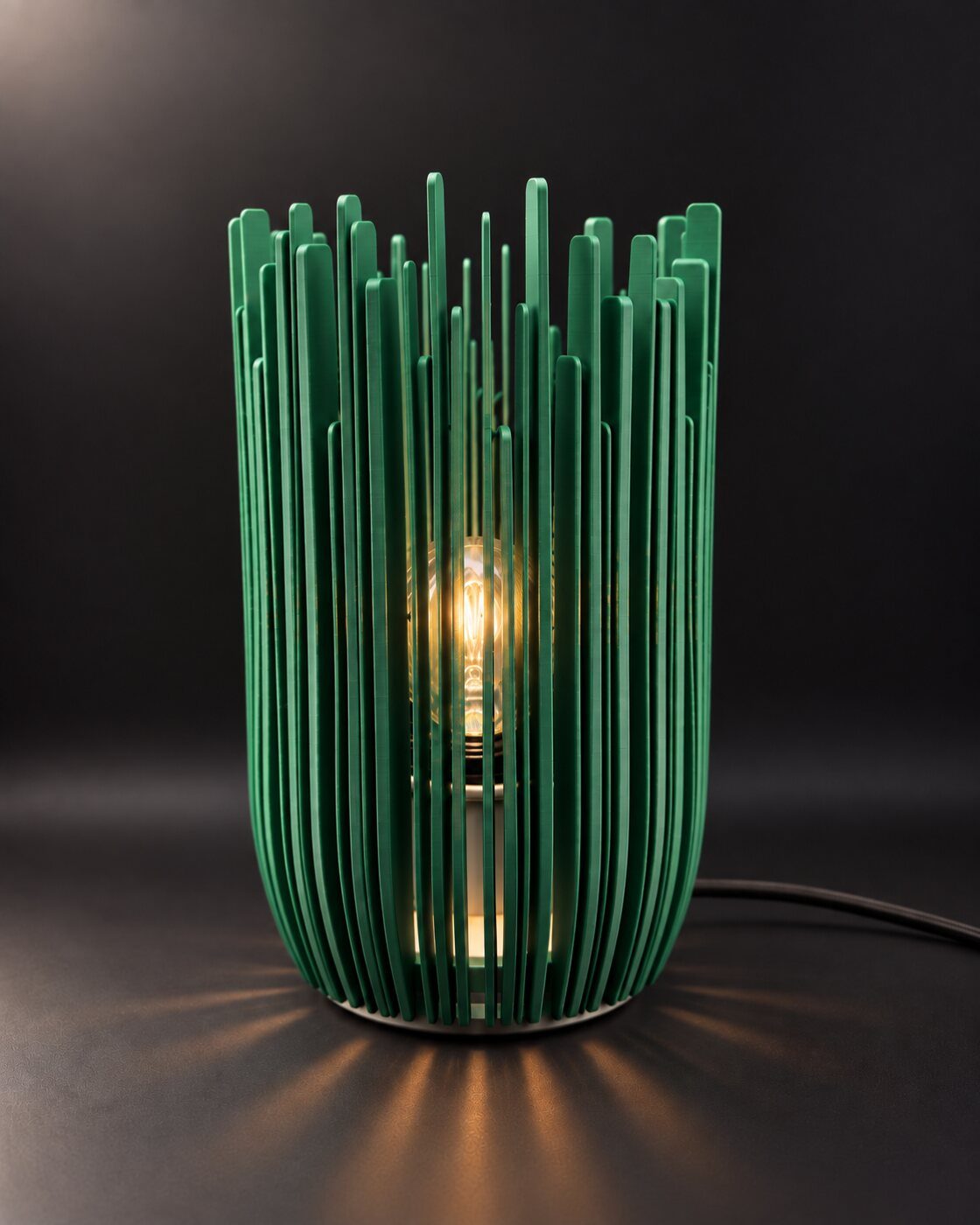
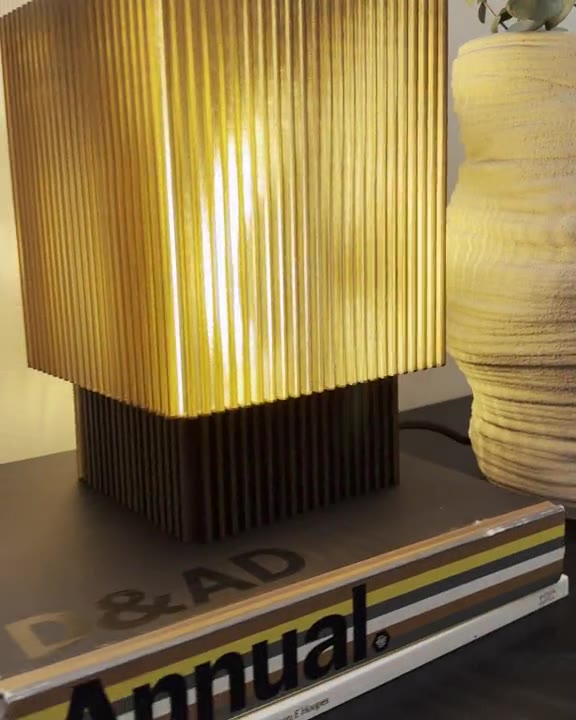
Keep useful light on the food and faces, then add a table lamp at the edge of the room for atmosphere. A sideboard lamp can make a dinner feel more inviting while leaving the dining table clear.
In this story (6 sections)
Plan the light around the meal.
Dining room lighting for a dinner party works best when you can see the meal, talk comfortably and move around the table easily. Keep the light that serves those needs, then use a table lamp to add a quieter glow elsewhere in the room. Switching off every overhead light may look atmospheric in a photograph, but it is not helpful if guests struggle to see their plates.
This season’s interest in hosting offers a useful prompt to rethink the room. Etsy’s October 14 Fall and Winter 2026 report identifies table dressing as a theme, including linens, place cards and serving pieces. Those findings describe Etsy activity, not demand for a particular lamp. For lighting, the practical takeaway is to leave the table enough room for the gathering itself.
Give the sideboard a separate lighting job.
A table lamp on a sideboard can make the edge of the room feel occupied while the dining table stays available for plates and serving dishes. Start with one lamp near an end of the cabinet, where its cable can reach an outlet without crossing a route through the room. Leave a distinct landing place for dishes if you use the sideboard during dinner.
Lighting retailer Lumens describes buffet lamps as complementary dining-room illumination. That is a useful role to keep in mind: the sideboard lamp adds to the setting, while the main lighting still needs to serve the people at the table. Look at both together before changing either one. A lamp that works alone in a quiet corner can feel very different beside a bright pendant.
Choose a shape that can be seen from a chair.
For a sideboard with space for a pronounced silhouette, CALYPSO combines a translucent pearl flower shade with a coral cylindrical base. Its broad, scalloped outline makes it a useful design choice when you want one object to carry the composition. Check the current dimensions against the actual cabinet, including the full shade width, before treating it as a suitable fit.
For a different direction, CUSH uses a quilted, cushion-like form and is described in the catalog as a compact ambient light. Its playful texture can suit an informal dining corner. Compare its footprint and light effect with the surface you have; the two models are alternatives in character, not interchangeable lighting specifications. Choose the form that has room to be seen without competing with everything else.
Keep the dinner table clear for conversation.
Before adding a lamp to the dining table itself, set out the plates, water glasses and largest serving dish you expect to use. Sit opposite someone, or place an object where their face would be, and check the view across the table. A shade that interrupts that view is better on a sideboard. A small base can still support a shade that occupies a large part of the conversation space.
Think about the cable as part of the arrangement. A plug-in table lamp needs an appropriate surface near power; stretching a cord across the table or through the route behind a chair is a poor trade for a decorative effect. If the dining table has no sensible route to an outlet, place the lamp elsewhere. The glow can be part of the gathering without sitting in its center.
Walk around the table with the lights on.
Check from every chair, especially the seats facing the sideboard. Look for a directly visible bulb, a bright reflection in a mirror, or an illuminated shade that dominates the view. Try a small sideways move on the cabinet before rearranging the room. If a mirror doubles the brightest area, decide whether that reflection contributes to the setting or simply distracts from it.
Then check the overall color of the light. A warm-looking shade and a cool overhead lamp may give two very different impressions in the same room. If you are choosing bulbs, our 2700K versus 3000K guide explains those common warm-white choices. Verify the lamp’s bulb requirements and any dimming compatibility on its product page; changing the color of the light does not by itself solve an uncomfortable bright spot.
Leave the arrangement easy to use after guests arrive.
Rehearse the ordinary movements once: pull out a chair, carry a serving dish, open the sideboard and reach for the lamp switch. Keep the lamp’s surface clear of places where drinks will be poured or dishes repeatedly set down. The arrangement should not need someone to move the lamp halfway through the meal. Put the items you reach for often where they remain easy to find.
Finally, look at the room from the doorway with the table set. If the lamp already gives the sideboard a clear focal point, a low bowl or a little empty space may be all it needs beside it. Keep stronger lighting available for clearing up afterward. A considered hosting setup makes space for both the evening atmosphere and the practical work of sharing a meal.