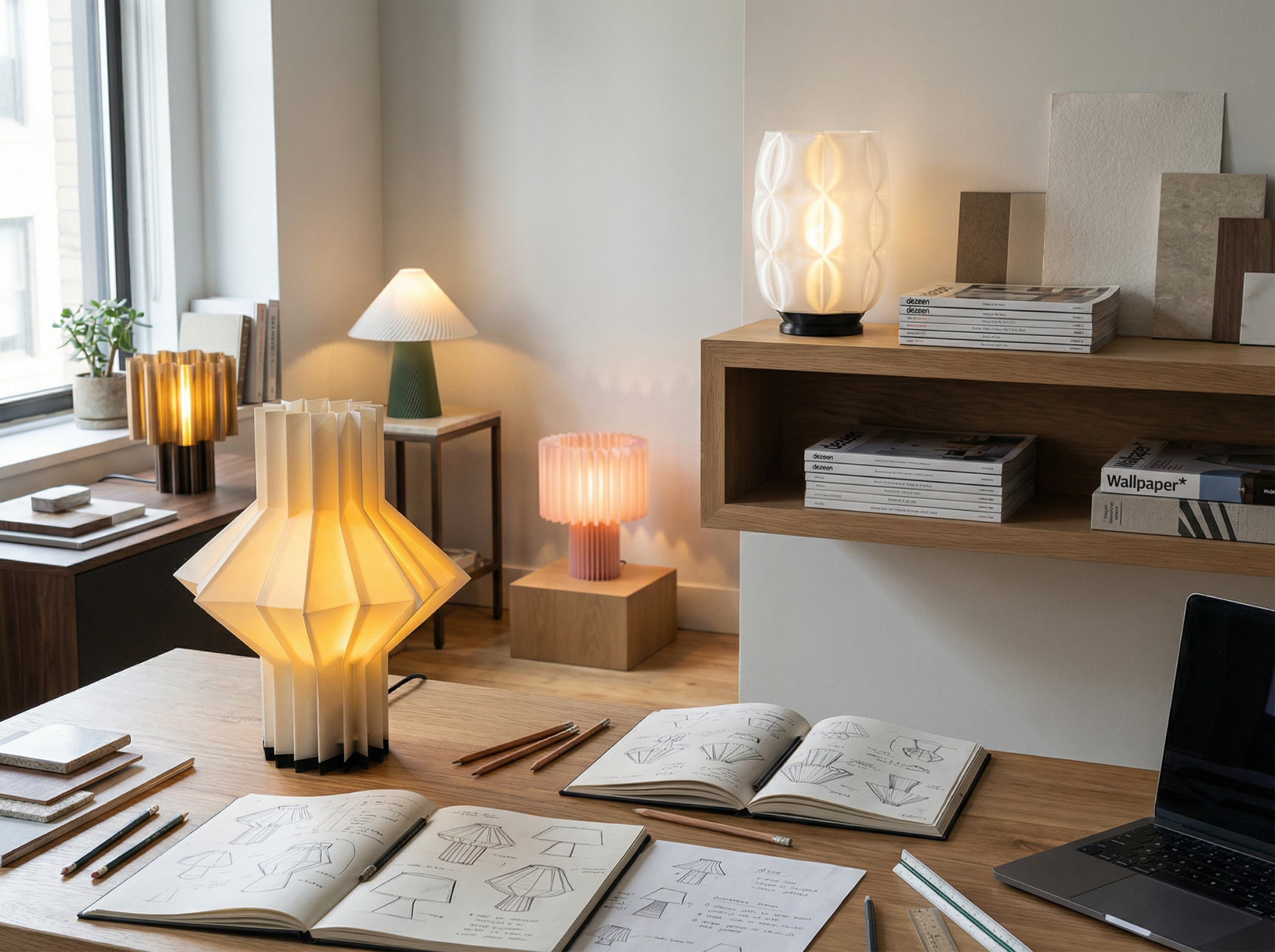
The difference is not just scale. It changes quality control, originality, lead times, waste, and how much design integrity survives the production process.
In this story (4 sections)
Look at how an individual lamp is made.
Made-to-order describes when production happens. It does not, on its own, prove that a lamp is better built than a stocked alternative. To compare them, look for a clear description of the construction, the dimensions, the order timeline and the support available after delivery.
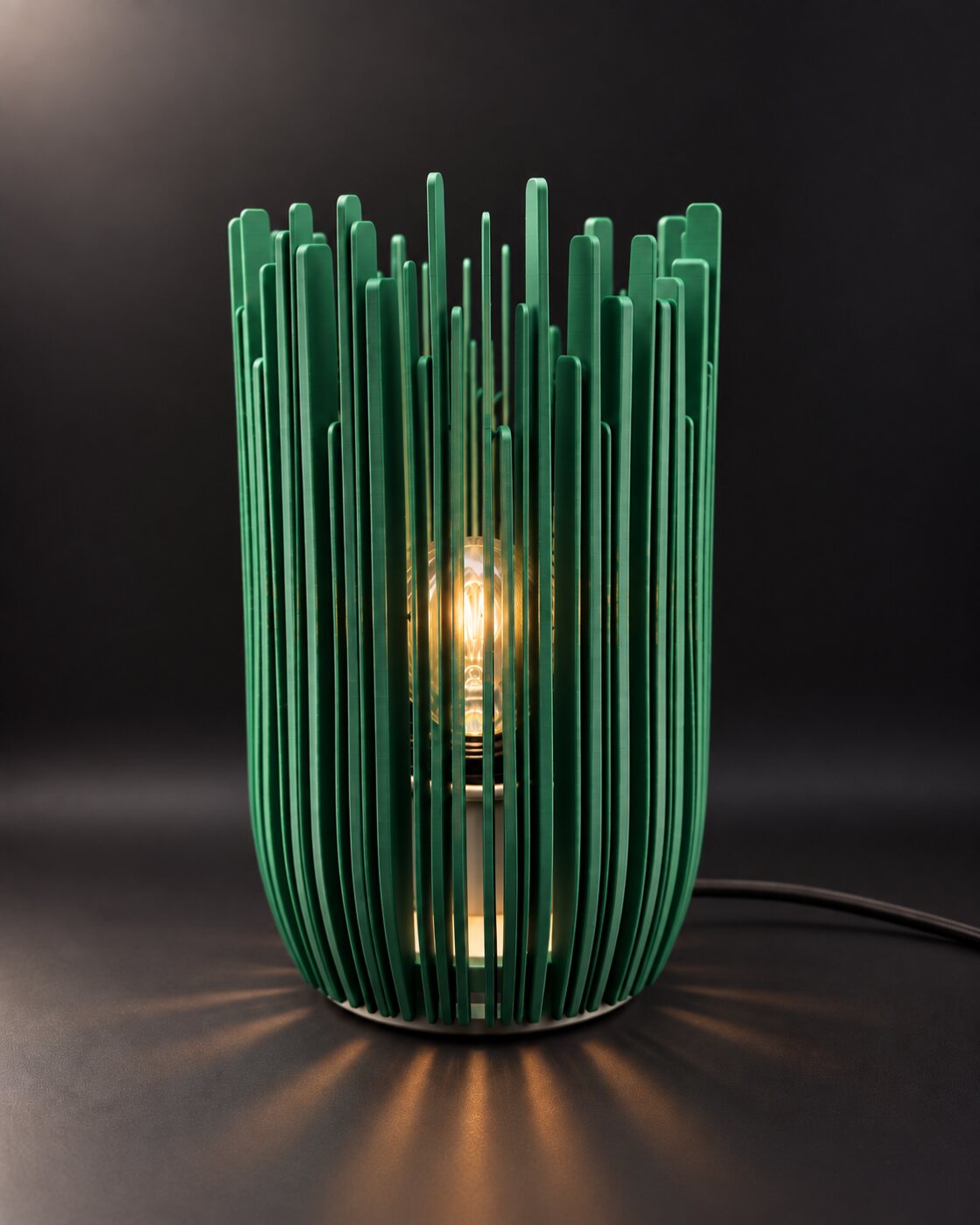
For a first-hand NORE example, the EVERGREEN page shows its rib cage growing from a solid base ring. The interactive sequence is rendered from the print file; the separate studio video shows actual printing. Keeping those two views distinct lets you inspect the geometry and the manufacturing process without mistaking a visualization for footage.
Quality control stays closer to the object.
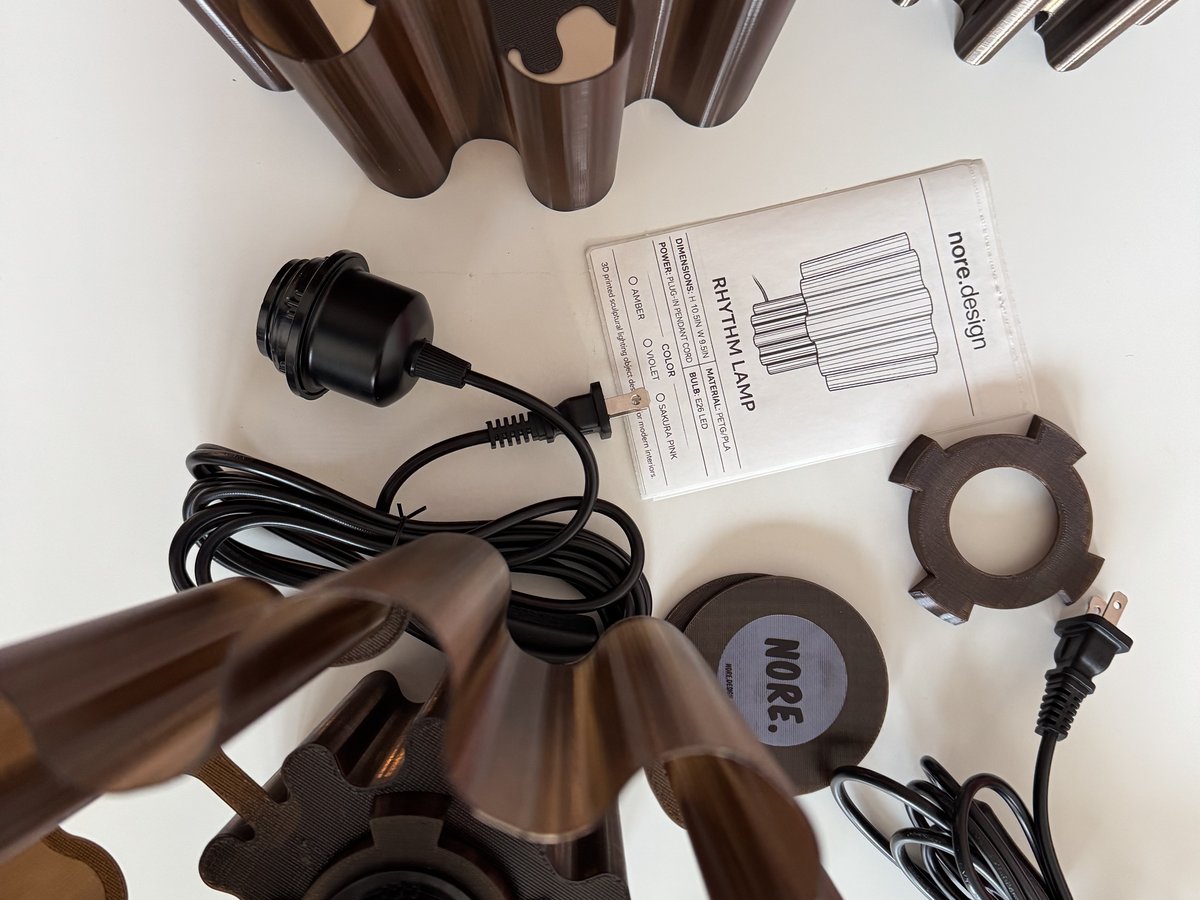
Printing the body is one stage; fitting the hardware and preparing the completed lamp are separate steps. When comparing makers, ask what is checked before dispatch and how a problem is handled afterward. A manufacturing label is not a substitute for specific construction details, care guidance and a clear return policy.
It usually creates less wasteful inventory logic.
Mass production often requires forecasting demand far in advance, which can lead to overproduction, dead stock, and products that exist because they were manufactured, not because they were genuinely chosen. Made-to-order production reduces that pressure by producing closer to actual demand.
The result can feel more personal without becoming precious.
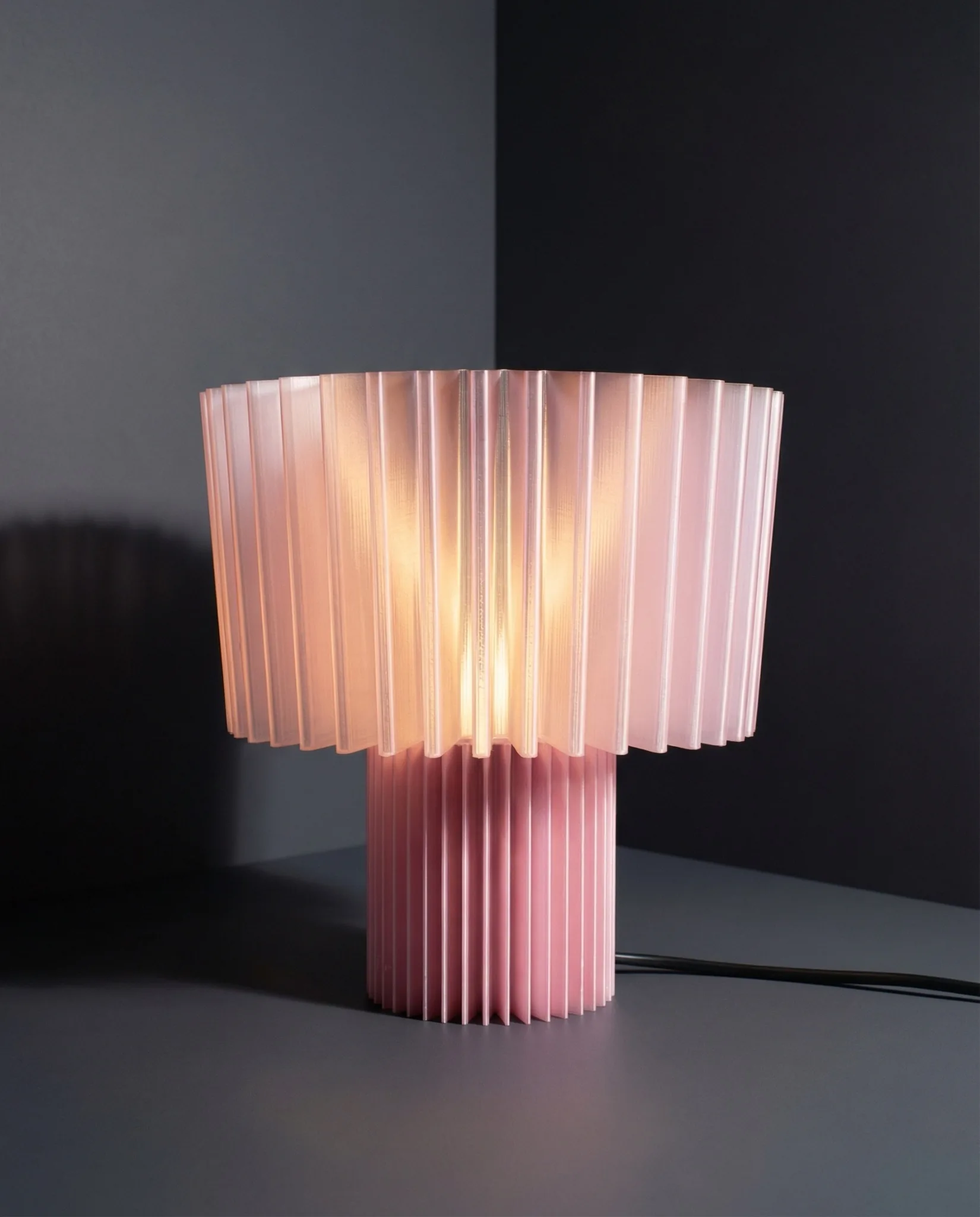
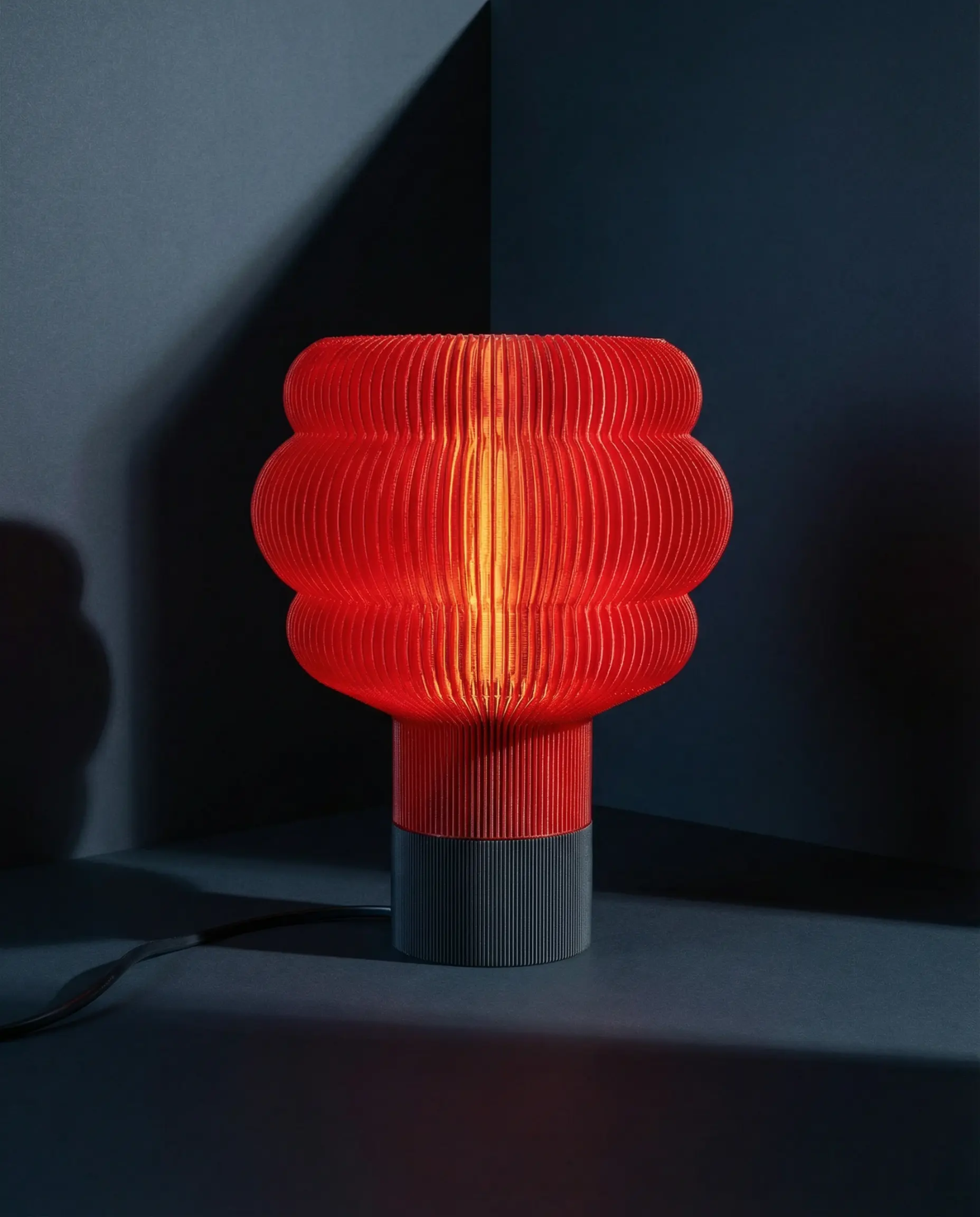
A made-to-order lamp does not need to feel fragile or ceremonial. It should simply feel more considered: less anonymous, more intentional, and more connected to the studio logic behind it. That difference is often visible in both the object and the atmosphere it creates in a room.