Yes - when they are designed well. Durability depends on geometry, wall thickness, material choice, hardware, and how the lamp is assembled.
In this story (4 sections)
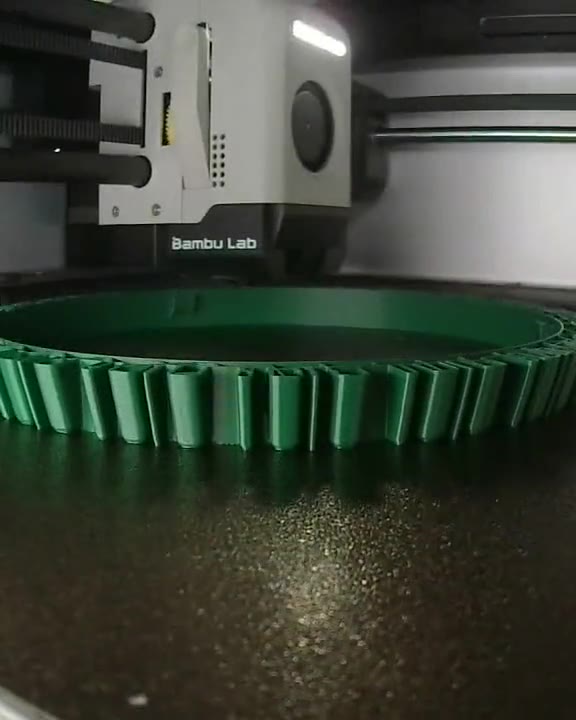
Durability begins with the geometry.
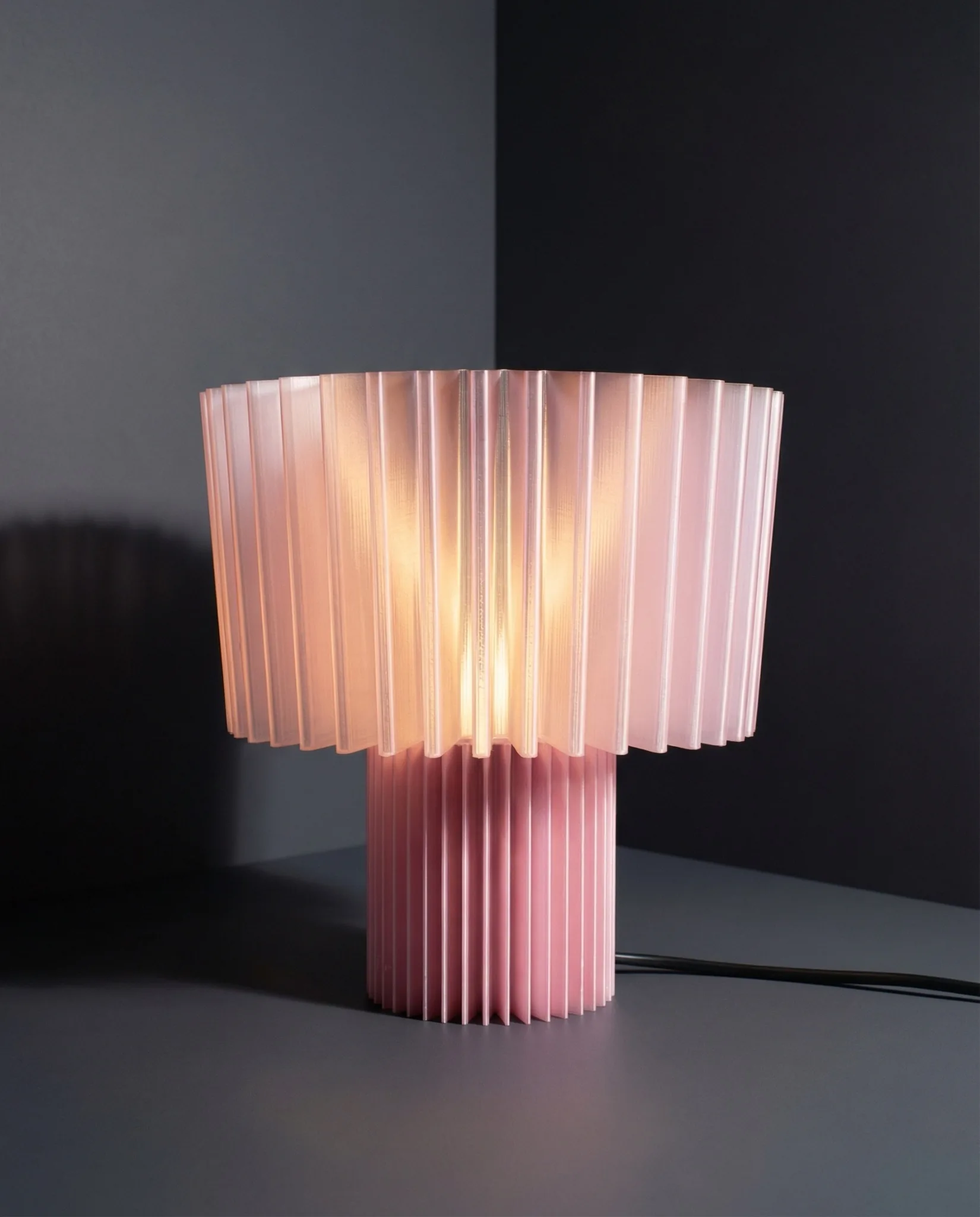
A 3D-printed lamp is only as strong as the way it is designed. Curves, folds, ribbing, wall thickness, and base proportions all affect how rigid and stable the final object feels. Good geometry distributes stress naturally instead of fighting it.
That is why well-designed printed lighting can feel surprisingly resolved in person. The structure is built into the form, not added as an afterthought.
Material selection changes how the object behaves.
Different materials balance rigidity, translucency, finish quality, and heat behavior in different ways. For lighting, durability is never only about impact resistance. It is also about how the material performs around warmth, repeated use, and long-term visual consistency.
Hardware and assembly matter just as much.
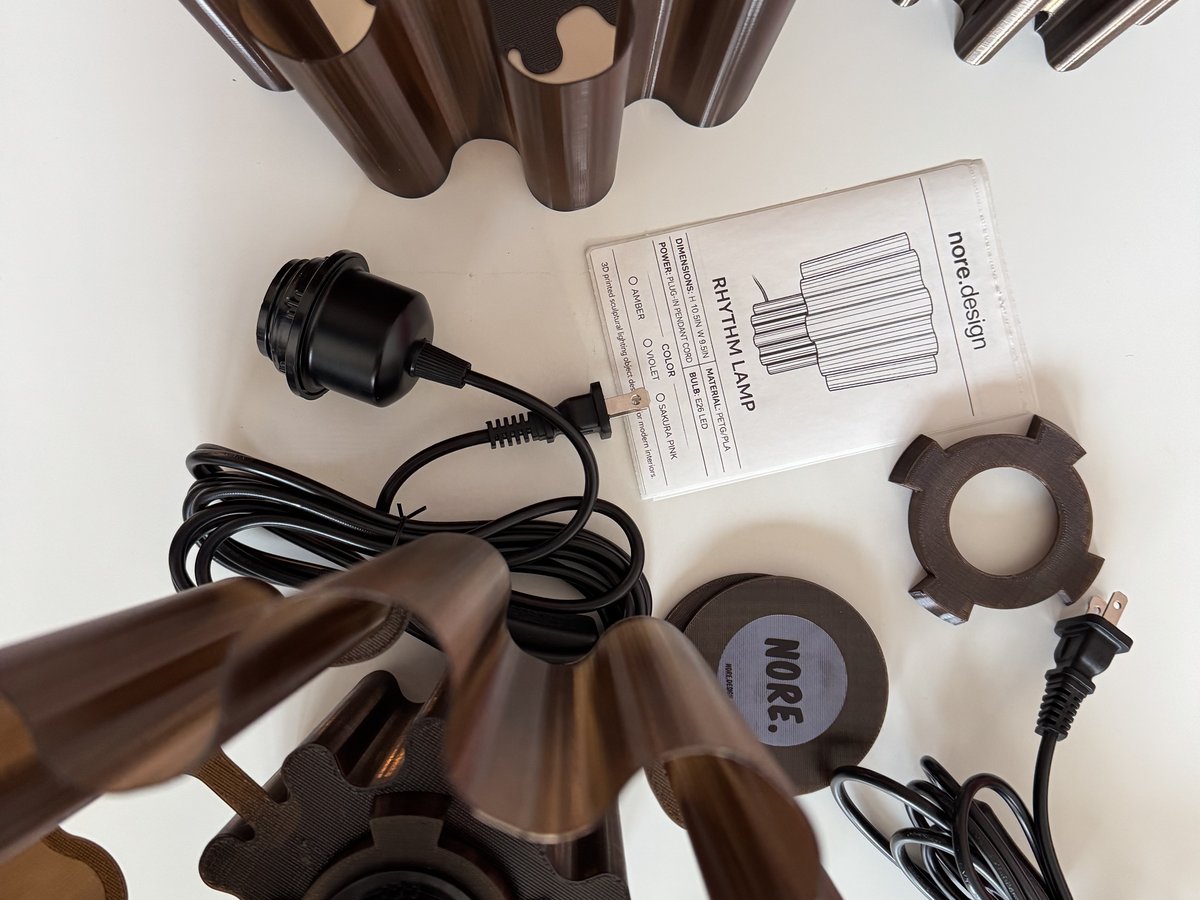
A lamp is a functional object, not only a shell. Socket fit, cord routing, bulb compatibility, and stable assembly all contribute to durability. The printed body and the electrical components have to work together cleanly.
Care helps a lamp keep its presence.
Like most design objects, a 3D-printed lamp lasts best with thoughtful use. Keep it clean, use the recommended bulb type, and treat it as a designed object rather than a disposable commodity. Done well, it can remain both functional and visually sharp for years.